

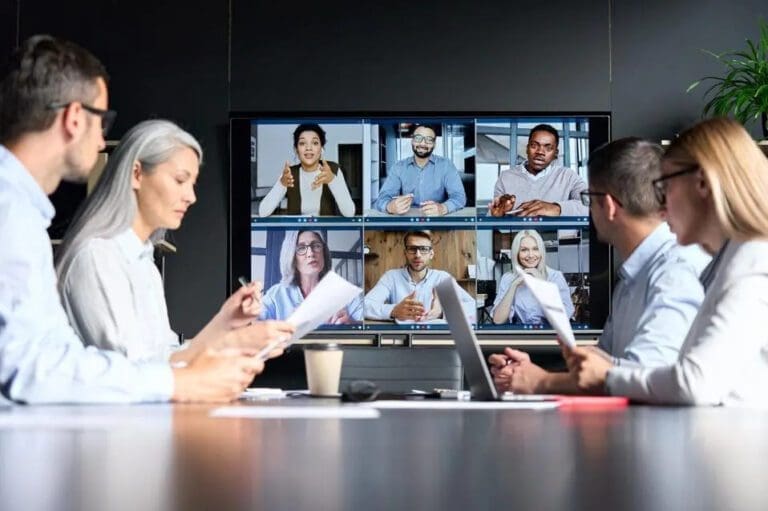
The return-to-office conversation isn’t over. Over the past several weeks, several major employers have quietly tightened their in-office expectations again. Some are increasing required days in the office. Others are linking attendance more directly to performance conversations, promotions, or leadership opportunities.
On the surface, these changes are framed as culture or collaboration decisions. Underneath, they are about visibility. Organizations navigating leaner teams and tighter decision environments want leaders closer to the work and employees closer to decision-making. When pressure rises, leaders naturally gravitate toward people they can observe more consistently.
That shift doesn’t mean remote work disappears. It means proximity starts influencing perception again. This is where many professionals misread the signal. They assume return-to-office debates are about location. In reality, they’re about exposure. Leaders are trying to reduce uncertainty about how people operate, communicate, and respond under pressure. Physical presence becomes one way to observe those behaviors.
This doesn’t mean the best work only happens in an office. But it does mean career visibility often increases when leaders can see judgment, collaboration, and influence in real time. Professionals navigating hybrid environments need to become more intentional about this.

If you’re in the office, focus on the moments where decisions are happening, not just where meetings are scheduled. Conversations before and after meetings often shape direction more than the meeting itself. If you’re remote, the goal isn’t to replicate office presence. It’s to make your thinking visible. Leaders need to see how you approach problems, not just the output that appears afterward.
The professionals who continue advancing in hybrid environments understand this dynamic well. They position themselves near decision-making conversations, clarify their reasoning when communicating progress, and ensure their work connects visibly to broader outcomes.
This dynamic is explored in Chapter 13 of The Ultimate Impression, which focuses on how remote and hybrid work influence professional visibility. The chapter examines how proximity, perception, and leadership access shape career progression in modern organizations.
Return-to-office policies may continue evolving, but the underlying principle is consistent. Careers rarely move forward in isolation. Influence grows where thinking becomes visible, where trust builds through interaction, and where leaders can confidently understand how you operate. Whether your work happens in a conference room or through a screen, that visibility still matters.
If this perspective resonates, explore The Ultimate Impression: The Career Advantage Playbook to Promotion, Influence, and Long-Term Career Success for a deeper framework on leadership perception, strategic visibility, and long-term career positioning.
And subscribe to the Career Advice by Isaac newsletter for weekly insights on navigating modern workplace shifts with clarity and intention.
